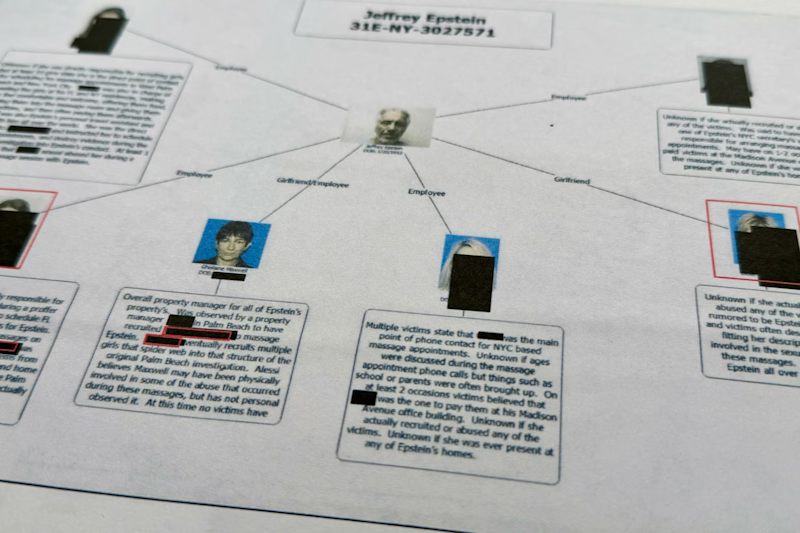
The recent release of the Jeffrey Epstein investigative files by the U.S. Justice Department has raised serious concerns after numerous documents were found to contain uncensored nude images, victims’ names, and sensitive personal information.
Despite laws requiring strong privacy protections, reviews by major news organizations revealed widespread redaction failures. In some cases, victims’ identities, faces, Social Security numbers, and bank details were left visible. Nude and partially nude images also appeared online without proper masking.
Victims and their advocates have condemned the mistakes, calling them harmful and dangerous. Several have urged the Justice Department to remove the files and appoint an independent monitor to prevent further errors. Attorneys say the damage caused may be “permanent and irreparable.”
The Justice Department has attributed the failures to technical and human errors, citing the rushed 30-day deadline and the massive volume of documents reviewed. While officials say they are correcting the problems and reposting redacted versions, critics argue the response is insufficient.
Survivors have spoken out, expressing anger and distress over the careless handling of their private information. Many say the release has placed them at further risk and undermined promises of protection.
This situation highlights the urgent need for stronger safeguards, accountability, and victim-centered policies in handling sensitive legal records.
#JusticeDepartment #EpsteinFiles #VictimRights #PrivacyProtection #Accountability #sensitivepersonnalinformation
Soyez le premier à commenter