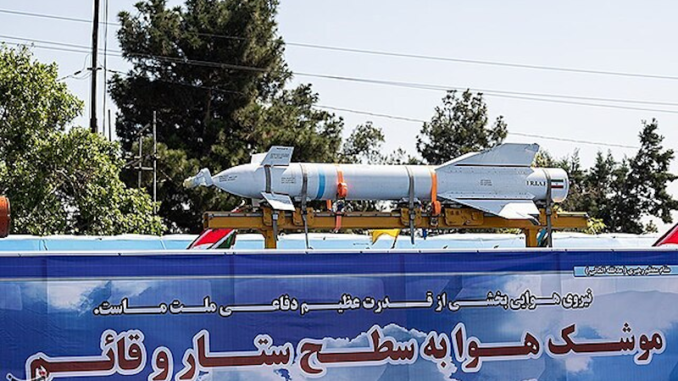
The ongoing United States–Israel war with Iran is sending shockwaves through global energy markets, raising fears of prolonged fuel price increases for consumers and businesses worldwide. Now in its eighth day, the conflict has already disrupted roughly one-fifth of the world’s crude oil and natural gas supply, largely due to attacks on shipping and energy infrastructure in the Middle East.
Global oil prices have jumped more than 25 percent since the fighting began. US crude closed just under $91 per barrel on Friday—its biggest weekly increase since records began in 1983. Analysts warn prices could surpass $100 per barrel if disruptions to shipping continue.
A key factor is the near shutdown of the Strait of Hormuz, a crucial maritime route for energy exports. Major producers including Saudi Arabia, the United Arab Emirates, Iraq and Kuwait have halted shipments totaling up to 140 million barrels of oil. Since most global trade moves by sea, shipping disruptions could also raise freight costs and delay goods worldwide.
The conflict is also damaging regional energy infrastructure. Iranian attacks have forced refineries and export terminals to close, while Qatar temporarily suspended major gas exports after drone strikes. Storage facilities across the Gulf are rapidly filling, prompting oil producers to cut output.
Even if fighting stops soon, experts warn the effects could last for weeks or months. Restarting oilfields and repairing damaged facilities may take significant time, potentially keeping supply tight and prices elevated.
Economists say the crisis could trigger a difficult mix of higher energy costs and slower economic growth, posing a political challenge for governments as voters face rising fuel and living expenses.
#Iran #GuerreMoyenOrient #petrolprice
Soyez le premier à commenter